

Introduction
Custom cultured stone is a versatile and popular building material that has been used for centuries to add beauty and durability to a wide range of structures. With its ability to mimic the look and feel of natural stone, custom cultured stone offers a cost-effective and environmentally friendly alternative for homeowners, builders, and architects. In this comprehensive guide, we will explore the origins, benefits, applications, and installation process of custom cultured stone, as well as provide tips for selecting the right product for your project.
Origins of Custom Cultured Stone
Custom cultured stone, also known as manufactured stone or faux stone, has a rich history dating back to ancient civilizations. The Egyptians, Greeks, and Romans were among the first to use a form of artificial stone in their architectural designs. These early forms of cultured stone were made from a mixture of lime, sand, and other natural materials, and were used to create elaborate structures that mimicked the look of natural stone.
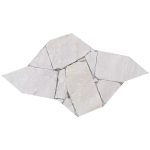
In the modern era, custom cultured stone has evolved into a highly sophisticated building material that closely resembles the texture, color, and shape of natural stone. Today, custom cultured stone is typically made from a combination of cement, aggregates, and iron oxide pigments, which are molded and cast into various shapes and sizes to create a wide range of stone veneer products.
Benefits of Custom Cultured Stone
Custom cultured stone offers a variety of benefits that make it an attractive choice for both residential and commercial applications. Some of the key advantages of custom cultured stone include:
1. Cost-Effective: Custom cultured stone is generally more affordable than natural stone, making it a cost-effective option for homeowners and builders who want the look of stone without the high price tag.
2. Lightweight: Custom cultured stone is significantly lighter than natural stone, which makes it easier to transport, handle, and install. This can result in lower labor costs and faster installation times.
3. Versatile: Custom cultured stone comes in a wide range of colors, textures, and styles, allowing for endless design possibilities. Whether you want to create a rustic, traditional, or modern look, there is a custom cultured stone product to suit your needs.
4. Durable: Custom cultured stone is made to withstand the elements and is resistant to fading, chipping, and cracking. This makes it a durable and long-lasting option for exterior applications such as siding, chimneys, and accent walls.
5. Eco-Friendly: Custom cultured stone is made from natural materials and is manufactured using sustainable practices, making it an environmentally friendly choice for eco-conscious consumers.
Applications of Custom Cultured Stone
Custom cultured stone can be used in a wide range of applications, both indoors and outdoors. Ledge stone for coastal properties of the most common uses of custom cultured stone include:
1. Exterior Siding: Custom cultured stone is a popular choice for exterior siding on homes, commercial buildings, and other structures. It can be used to create a natural stone look that adds beauty and curb appeal to any property.
2. Fireplaces: Custom cultured stone is often used to create stunning fireplaces that serve as focal points in living rooms, family rooms, and outdoor spaces. The variety of colors and textures available make it easy to customize the look of your fireplace to suit your style.
3. Accent Walls: Custom cultured stone can be used to create eye-catching accent walls in interior spaces such as living rooms, dining rooms, and bedrooms. Whether you prefer a modern, rustic, or traditional look, there is a custom cultured stone product to match your vision.
4. Outdoor Kitchen: Custom cultured stone is a popular choice for outdoor kitchens and cooking areas. It can be used to create countertops, backsplashes, and other surfaces that are both functional and aesthetically pleasing.
5. Landscaping: Custom cultured stone can be used to create beautiful landscaping features such as retaining walls, garden borders, and decorative elements. Its durability and versatility make it a great choice for enhancing outdoor spaces.
Installation Process of Custom Cultured Stone
The installation process of custom cultured stone is a crucial step that requires careful planning and attention to detail. While the specific installation techniques may vary depending on the product and application, the following steps provide a general overview of how custom cultured stone is typically installed:
1. Surface Preparation: Before installing custom cultured stone, the surface must be clean, dry, and free of any debris or contaminants. This may involve removing existing siding, drywall, or other materials, as well as repairing any cracks or imperfections in the substrate.
2. Waterproofing: To prevent moisture infiltration and ensure the longevity of the custom cultured stone installation, a waterproofing membrane is typically applied to the surface. This helps to protect the substrate from water damage and helps to create a solid base for the stone veneer.
3. Lath Installation: A metal lath is then installed over the waterproofing membrane to provide a secure base for the custom cultured stone. The lath is attached to the substrate using nails or screws, and is typically installed in a horizontal or diagonal pattern to ensure proper adhesion.
4. Mortar Application: A mortar mix is prepared and applied to the metal lath using a trowel. The mortar is spread evenly over the lath to create a smooth, uniform surface for the custom cultured stone to adhere to.
5. Stone Installation: The custom cultured stone veneer is then carefully placed onto the mortar bed, starting at the bottom and working upwards. The stones are pressed firmly into the mortar and positioned according to the desired pattern and design.
6. Grouting: Once the custom cultured stone is in place, grout is applied between the stones to fill in any gaps and create a seamless finish. The grout is typically pressed into the joints using a grout bag or trowel, and excess grout is wiped away with a damp sponge.
7. Sealing: To protect the custom cultured stone from stains, moisture, and other damage, a sealer is applied to the surface once the grout has dried. The sealer helps to maintain the appearance and durability of the stone veneer over time.
Selecting the Right Custom Cultured Stone Product
When selecting a custom cultured stone product for your project, there are several factors to consider to ensure that you choose the right option for your needs. Some key considerations include:
1. Style: Custom cultured stone comes in a wide range of styles, from rustic ledgestone to sleek modern profiles. Consider the overall aesthetic of your project and choose a stone veneer product that complements the design and architecture of your space.
2. Color: Custom cultured stone is available in a variety of colors and finishes, ranging from earthy neutrals to bold statement hues. Select a color palette that enhances the look of your home or building and creates the desired atmosphere.
3. Texture: The texture of custom cultured stone can vary from smooth and sleek to rough and rugged. Think about the texture you want to achieve and choose a stone veneer product that aligns with your design preferences.
4. Size and Shape: Custom cultured stone is available in a range of sizes and shapes, allowing for endless design possibilities. Consider the scale of your project and choose stone veneer products that are proportionate to the space and architecture.
5. Manufacturer: When selecting a custom cultured stone product, it is important to choose a reputable manufacturer with a track record of quality and reliability. Research different manufacturers, read customer reviews, and ask for samples to ensure that you are getting a high-quality product.
Conclusion
Custom cultured stone is a versatile and durable building material that offers a cost-effective and environmentally friendly alternative to natural stone. With its ability to mimic the look and feel of natural stone, custom cultured stone can be used in a wide range of applications to enhance the beauty and functionality of any space. Whether you are looking to add exterior siding, create a stunning fireplace, or design a unique accent wall, custom cultured stone is a versatile option that can help you achieve your design goals. By understanding the origins, benefits, applications, installation process, and selection considerations of custom cultured stone, you can make informed decisions and create beautiful, long-lasting designs that stand the test of time.